Featured Story
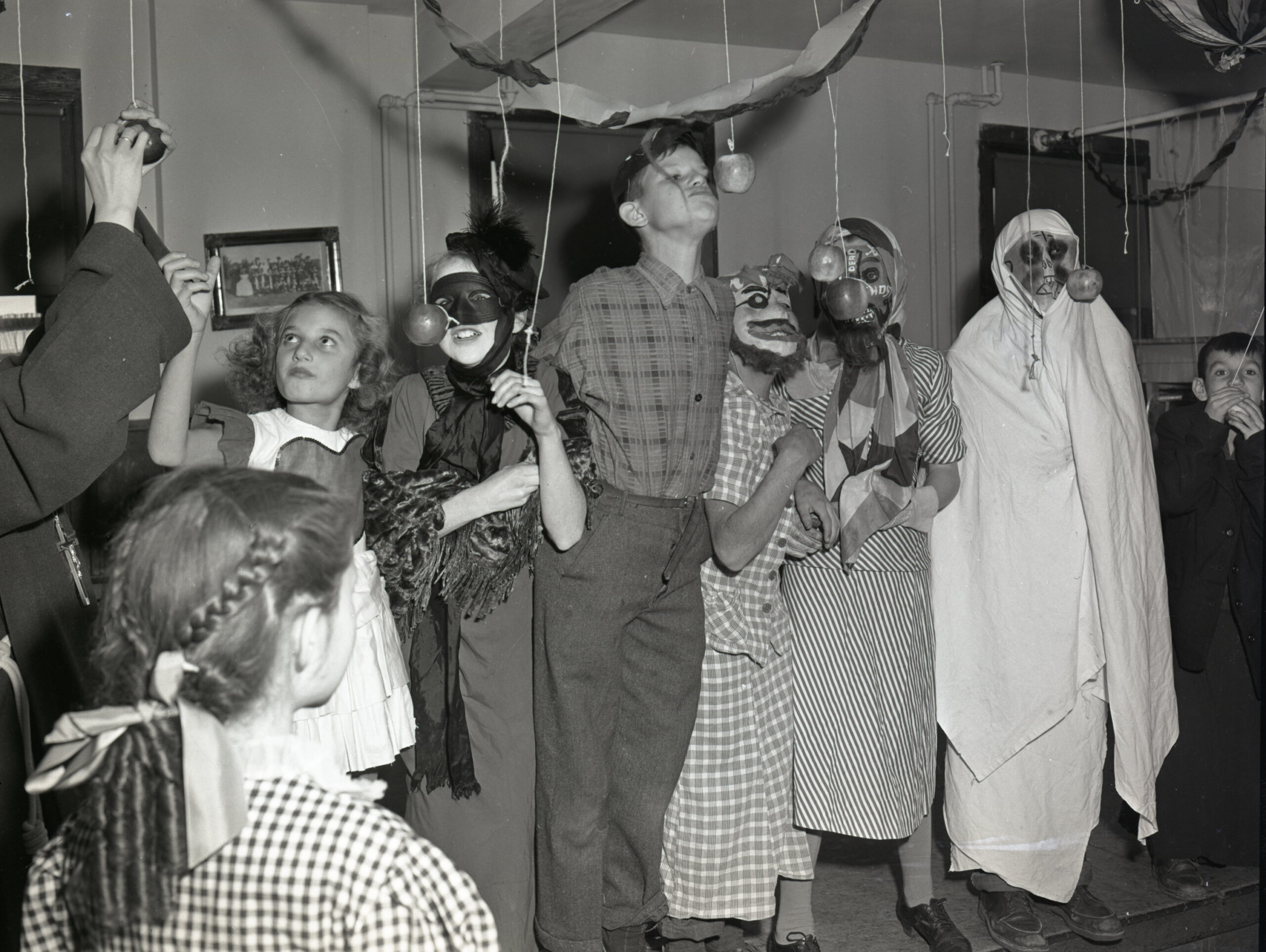
Ghosts and Goblins Yell “Halloween Apples!”: The Changing Nature of Halloween in Edmonton
For generations of Edmontonians, the phrase “Halloween apples!” stirs childhood memories, but many younger people have never heard of it. It rivalled “Trick or treat” as children’s Halloween demand for decades, though.
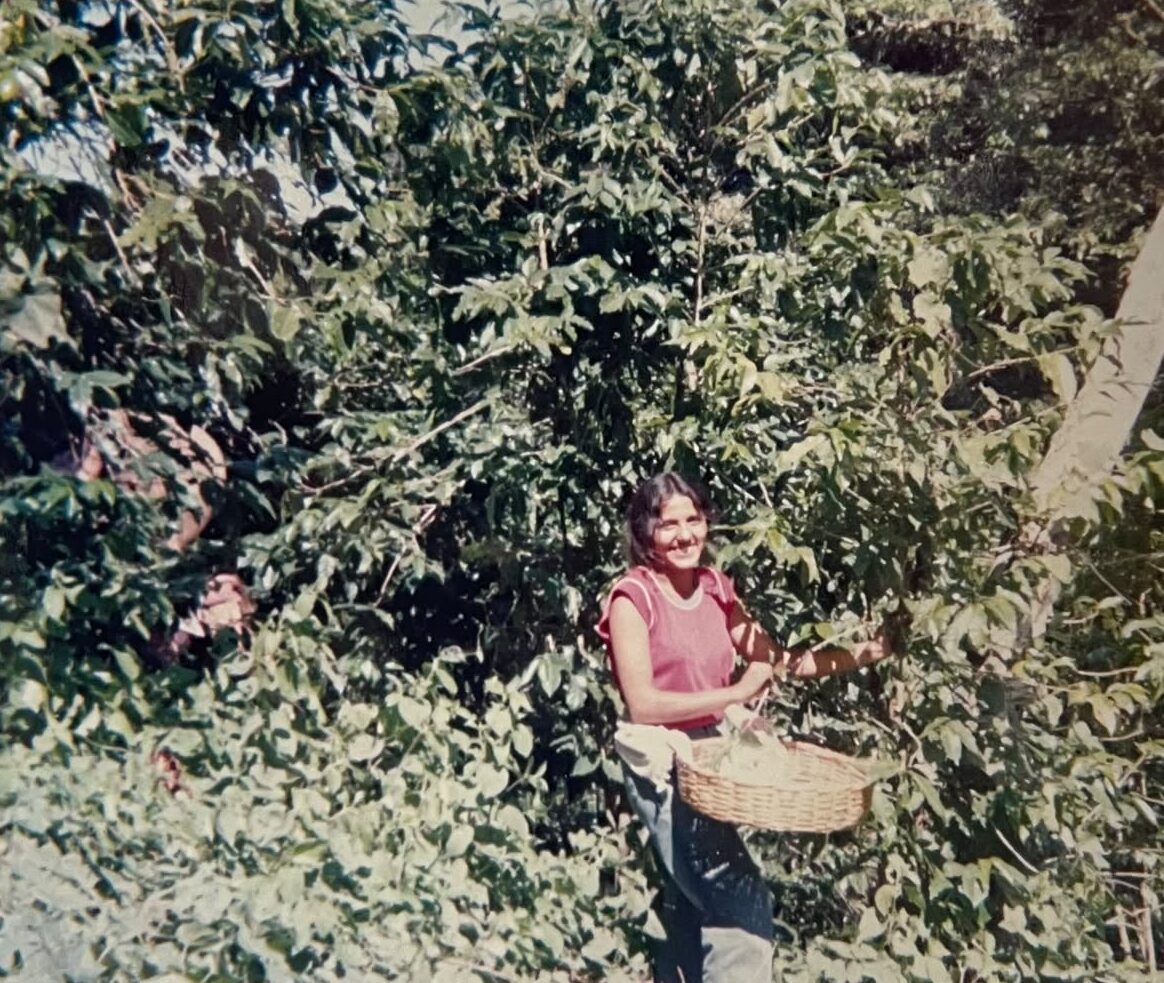
Un Cafecito: Stories Brewed from El Salvador to Canada
There’s nothing quite as soul-warming as that first sip of hot coffee. Behind every cup is a much larger story - one that stretches across continents and generations. In this story, writer Isis Maria Henriquez shows how for her family, and so many other Latinos, coffee connected the snowy streets of Canada to the tropical forests of El Salvador.

Tasting Pemmican: From Community to Commercial
Pemmican recipes have changed a lot over the centuries, passing from Indigenous people to colonial hands and back.

Chinese Hand Laundries: A History of The First Chinese Entrepreneurs in Edmonton
Cafes and laundries were common businesses for Chinese pioneers to start in early-20th century Edmonton. But the stories of their owners – and the discrimination that forced them into these industries – are less well-known. In the newest addition to ECAMP’s labour history series, author Jessica Szeto writes about laundry owners like Chung Kee and Sam Sing Mah, and the brutal conditions for laundry workers.

“More Than Half a Day”: Child Labour at the St. Albert Youville Indian Residential School
A letter written by a lawyer in 1939 shows Indigenous families challenging the legality of forced child labour at St. Albert Youville Indian Residential School. For decades, at this school and others, Indigenous children endured exploitation, violence, and dangerous work under the “half-day” system. Parents and children resisted, despite repression. Survivors’ stories demand accountability, truth, and justice, as Canada continues failing to act on reconciliation.
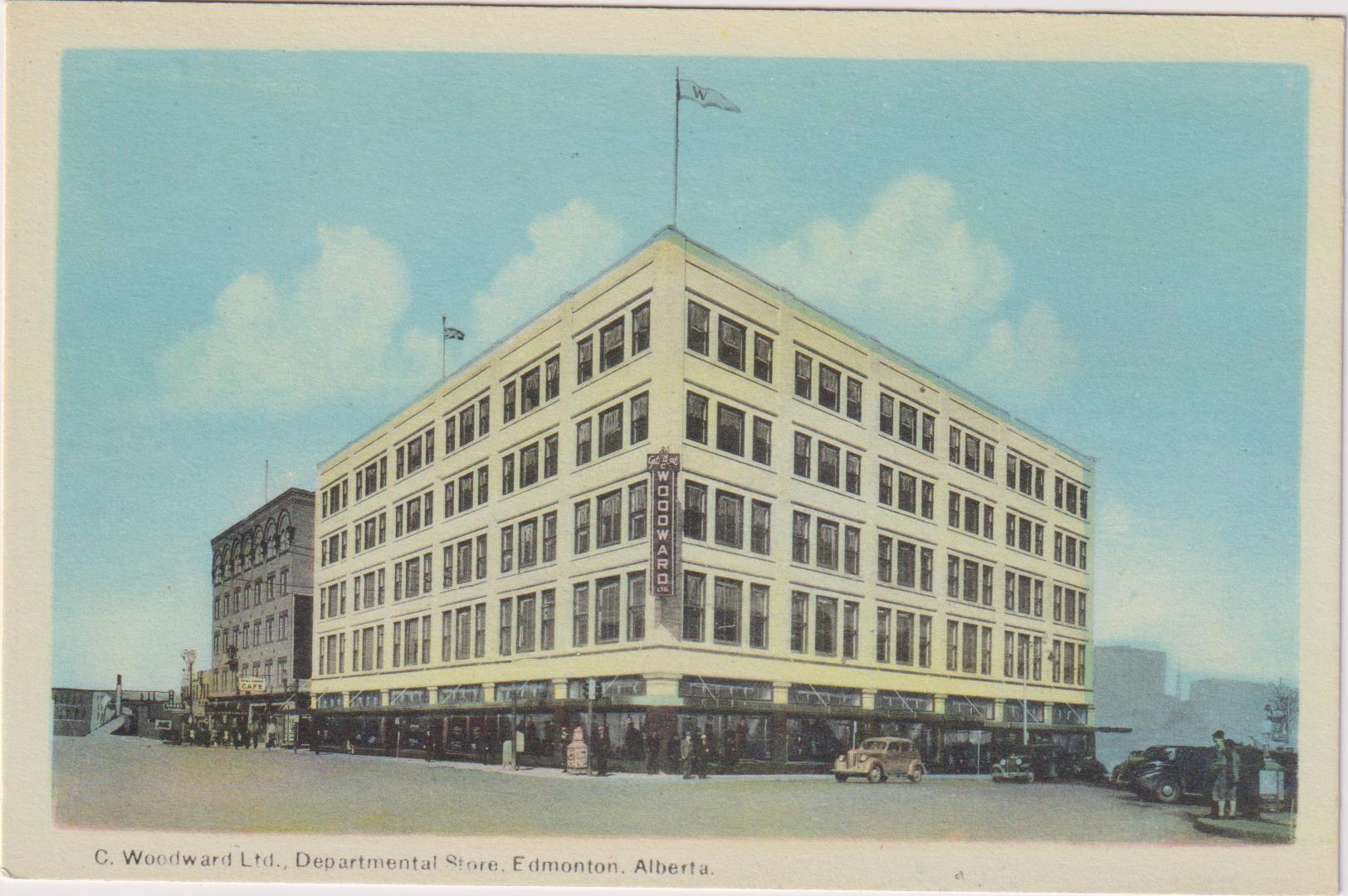
My Grandma Going Out into the World: Working at Woodward’s
Facing boredom, depression, and loneliness, 1960s stay-at-home mother Harma Smit decided to get a job. In 1967, when Harma found a job at Edmonton’s Woodward’s department store, it was just becoming more common for married women to seek work outside the home. In this addition to ECAMP’s labour series, Harma-Mae Smit recounts her grandmother’s experience in the retail workforce. Relying on family reflections, Smit discusses community reactions to her grandmother’s decision to work, her positive experience as an employee at Woodward’s for nearly two decades, and the material and mental benefits that the added income had for her grandmother and the rest of the family.

Bridging Alberta: Dilip Dasmohapatra’s YEG Origin Story
Lots of parents tell their kids stories on family road trips around Alberta, but Soni Dasmohapatra’s dad tells stories about the bridges he built along the way. In this addition to ECAMP’s labour history series, Soni celebrates Dilip Dasmohapatra’s career as a civil engineer and community organizer.

“Queen of the Link”: Margaret Littlewood, Canada’s Only Woman Flight Instructor during WWII
In 1943, skilled pilot Margaret Littlewood, rejected by the RCAF for being a woman, became the only woman Link Trainer instructor in Canada. Hired by aviation pioneer Wop May at Edmonton’s Air Observer School, she trained 150 pilots, overcame sexism, and later earned Canada’s highest pilot licence—helping pave the way for future women in aviation.

Alberta’s Government, the Mainframe Computer, and Women’s Work
In the 1960s, Bill Rogers convinced the Alberta government to invest both computers and the training needed for their workers to program these machines, launching a data revolution. Women dominated these data entry roles under strict, often discriminatory conditions. Despite long hours and limited advancement, they powered early digital governance, pioneering computer use in western Canada and forging lasting professional bonds.
Loading stories...