

Tasting Pemmican: From Community to Commercial
Pemmican recipes have changed a lot over the centuries, passing from Indigenous people to colonial hands and back.

Pemmican recipes have changed a lot over the centuries, passing from Indigenous people to colonial hands and back.
Cafes and laundries were common businesses for Chinese pioneers to start in early-20th century Edmonton. But the stories of their owners – and the discrimination that forced them into these industries – are less well-known. In the newest addition to ECAMP’s labour history series, author Jessica Szeto writes about laundry owners like Chung Kee and Sam Sing Mah, and the brutal conditions for laundry workers.
Stephanie Harpe says she got a lot of things from her dad Henry, including a wicked work ethic and a positive outlook on life. On this episode of Clock In, host Jay Gilday speaks with Stephanie and Henry about how he made the most of tough situations, why their family moved to Edmonton, and what Stephanie admires most about her dad to this day.
Working at the same place as your mom can be a privilege and a pain. Tamisan Bencz-Knight is the Manager of Strategic Relationships & Partnerships at Edmonton’s Food Bank. Marjorie Bencz is the Executive Director, a member of the Order of Canada, and her mom. In this episode of Clock In, host Jay Gilday talks to Tamisan and Marjorie about putting food and hope on tables, following in someone’s footsteps, and what kind of team it takes to meet a crisis head on.
A letter written by a lawyer in 1939 shows Indigenous families challenging the legality of forced child labour at St. Albert Youville Indian Residential School. For decades, at this school and others, Indigenous children endured exploitation, violence, and dangerous work under the “half-day” system. Parents and children resisted, despite repression. Survivors’ stories demand accountability, truth, and justice, as Canada continues failing to act on reconciliation.
Facing boredom, depression, and loneliness, 1960s stay-at-home mother Harma Smit decided to get a job.
In 1967, when Harma found a job at Edmonton’s Woodward’s department store, it was just becoming more common for married women to seek work outside the home.
In this addition to ECAMP’s labour series, Harma-Mae Smit recounts her grandmother’s experience in the retail workforce. Relying on family reflections, Smit discusses community reactions to her grandmother’s decision to work, her positive experience as an employee at Woodward’s for nearly two decades, and the material and mental benefits that the added income had for her grandmother and the rest of the family.
One hot summer Sunday in 1910, Edmontonians lined up for ice cream in a tiny downtown park called Happyland. A scandal ensued. Our latest ECAMP story is a comic tale about those wicked delights, and why Edmonton police and City Council threatened to “out-Toronto Toronto.”
This addition to our labour history series was written by Elizabeth Cytko and illustrated by Toryn Suddaby.
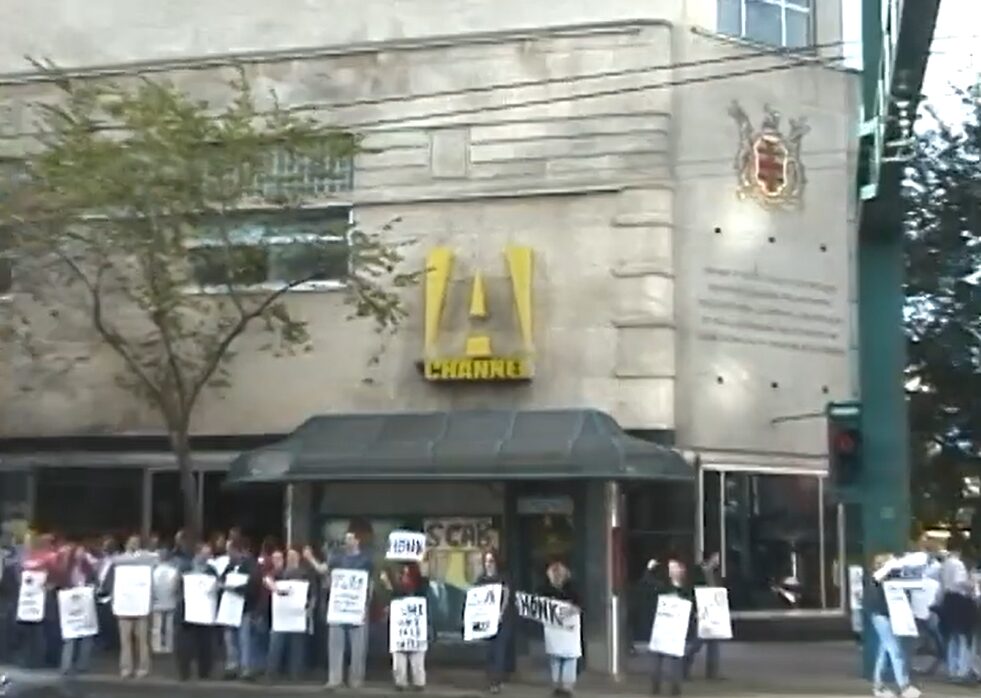
Previously, ECAMP presented a story from an A-Channel employee who decided to cross the picket line during the 2003-4 strike. Adrian Pearce – a cameraman who helped lead the strike – submitted this response. Read what the strike was like for workers who held the line for 166 days.
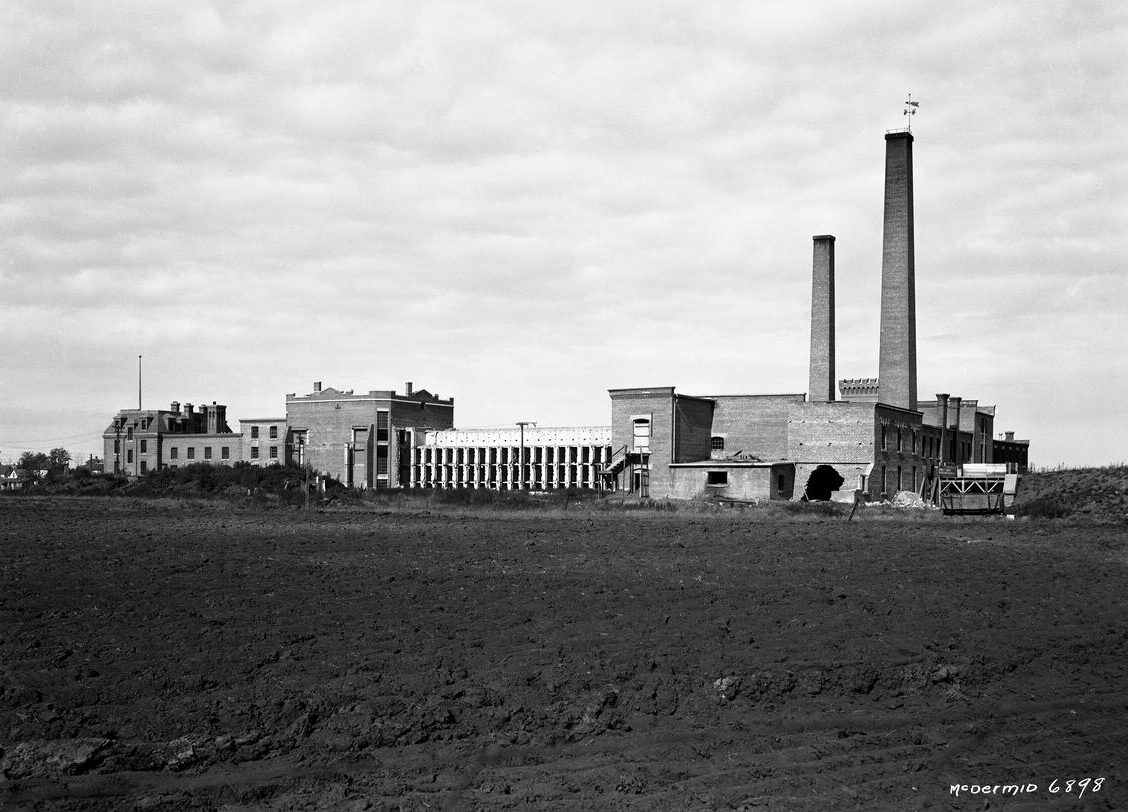
The Alberta Penitentiary operated on Edmonton’s River Lot 20 from 1906 – 1920, where Clarke Stadium is today. It was the first federal prison in Alberta. One constant in prisoners’ lives was unpaid hard labour, from mining coal to farming potatoes.
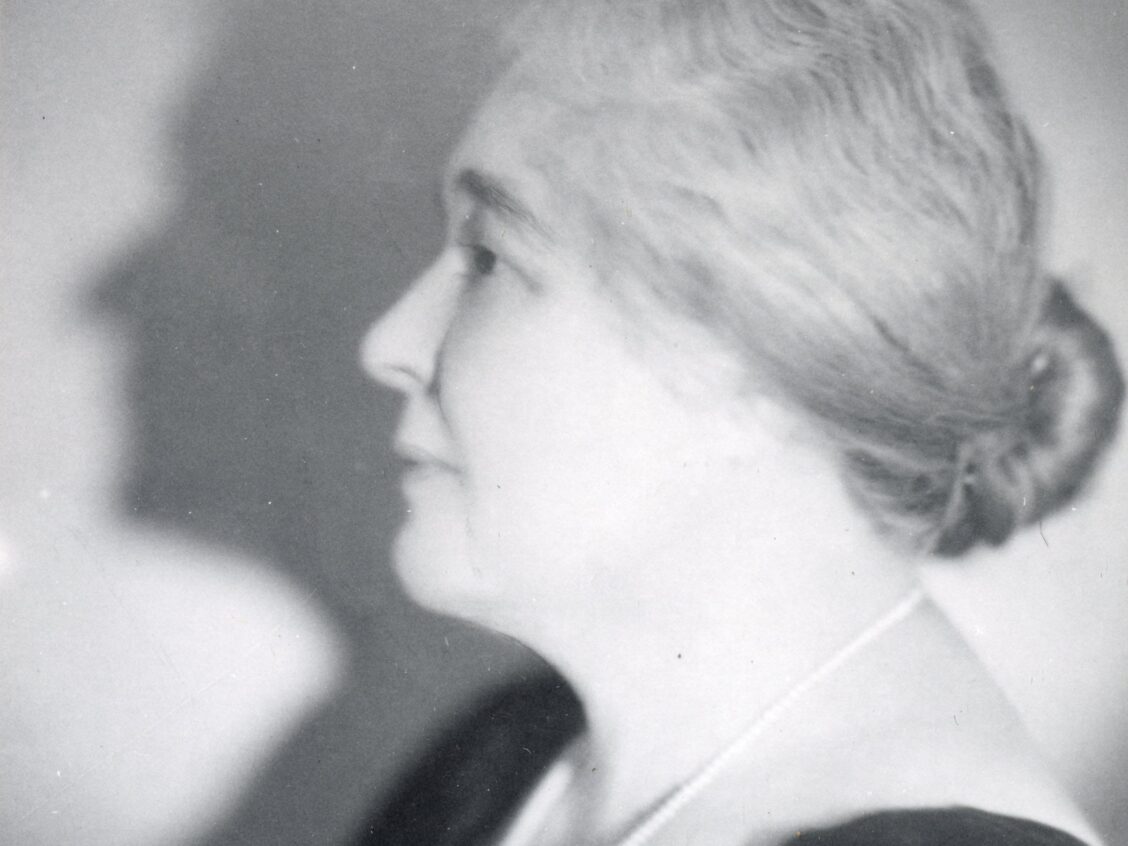
In the early 1920s, a resolute woman named Maud Bowman set out to start the Edmonton Museum of Arts – today’s Art Gallery of Alberta. Bowman was a somewhat unconventional model of a female museum leader. Her work is even more remarkable given the sexism she faced.
The people who did the most dangerous jobs constructing the skyscrapers in downtown Edmonton in the 1960s and 1970s were almost all Metis ironworkers. That included the CN Tower.