
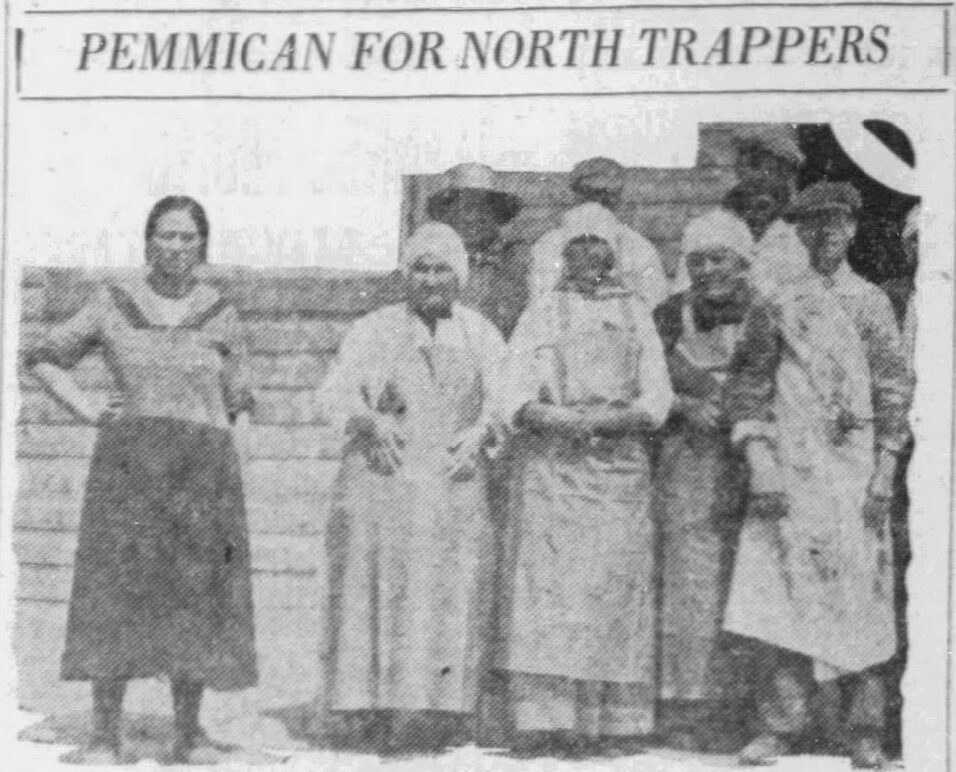
Tasting Pemmican: From Community to Commercial
Pemmican recipes have changed a lot over the centuries, passing from Indigenous people to colonial hands and back.

Pemmican recipes have changed a lot over the centuries, passing from Indigenous people to colonial hands and back.
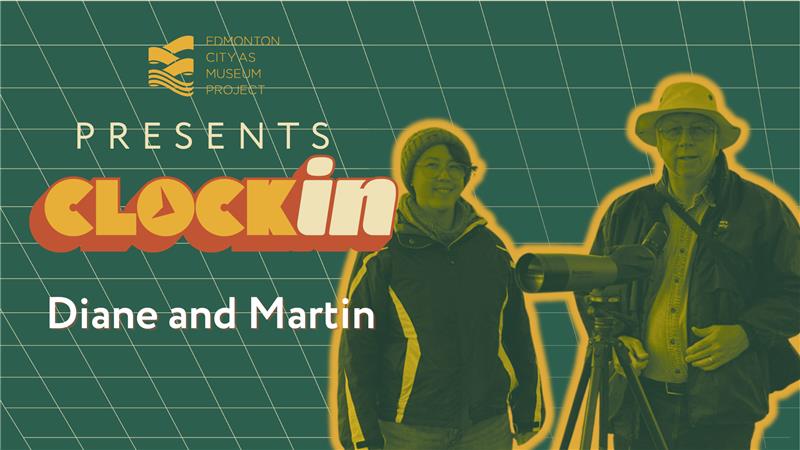
Diane Connors grew up knowing her dad Martin did cool work as an astrophysicist. But she’s always been curious to know more about it. In this episode of Clock In, host Jay Gilday guides Diane and Martin through a conversation about astronauts on TV, burning the midnight oil, and the changing nature of work.
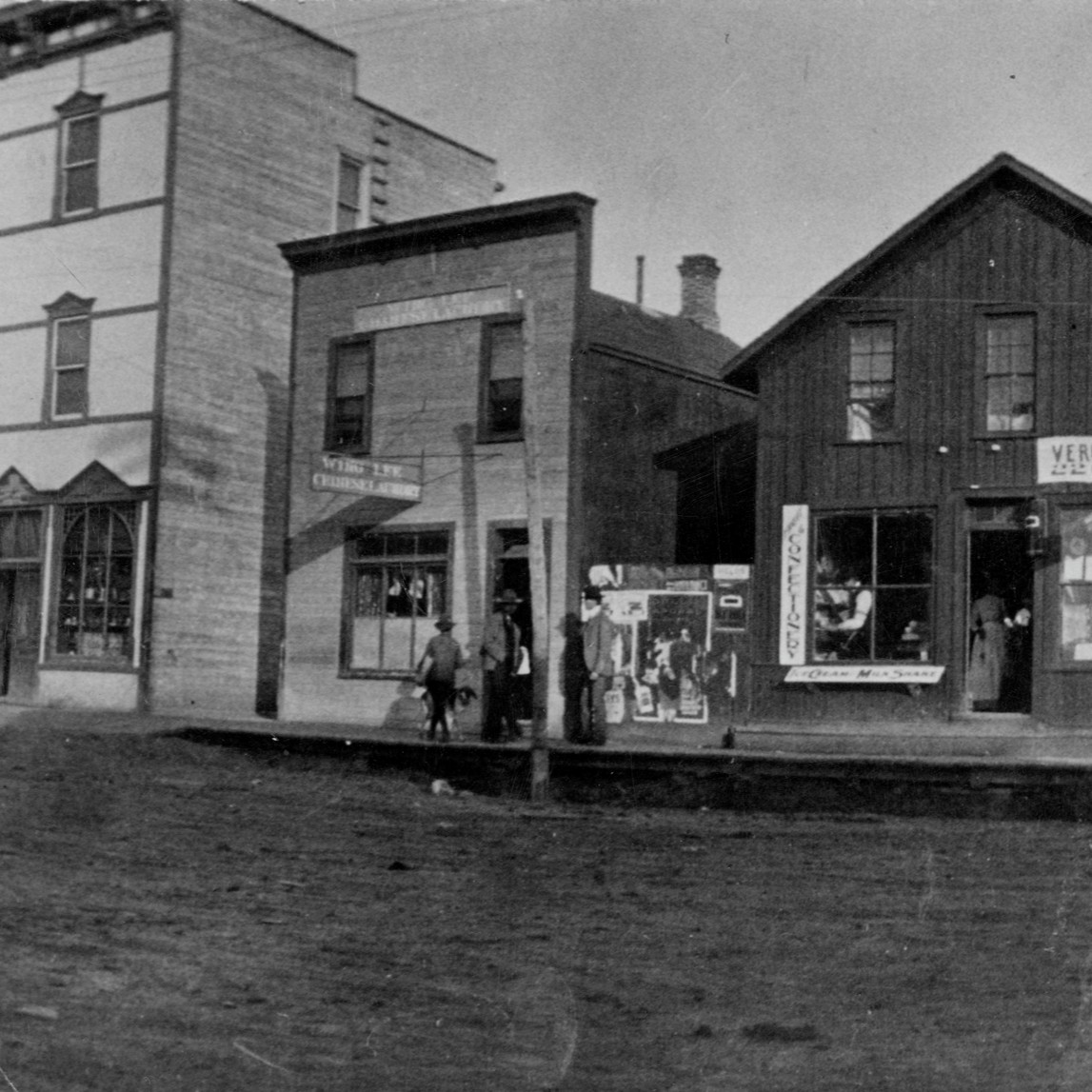
Cafes and laundries were common businesses for Chinese pioneers to start in early-20th century Edmonton. But the stories of their owners – and the discrimination that forced them into these industries – are less well-known. In the newest addition to ECAMP’s labour history series, author Jessica Szeto writes about laundry owners like Chung Kee and Sam Sing Mah, and the brutal conditions for laundry workers.

Stephanie Harpe says she got a lot of things from her dad Henry, including a wicked work ethic and a positive outlook on life. On this episode of Clock In, host Jay Gilday speaks with Stephanie and Henry about how he made the most of tough situations, why their family moved to Edmonton, and what Stephanie admires most about her dad to this day.

Working at the same place as your mom can be a privilege and a pain. Tamisan Bencz-Knight is the Manager of Strategic Relationships & Partnerships at Edmonton’s Food Bank. Marjorie Bencz is the Executive Director, a member of the Order of Canada, and her mom. In this episode of Clock In, host Jay Gilday talks to Tamisan and Marjorie about putting food and hope on tables, following in someone’s footsteps, and what kind of team it takes to meet a crisis head on.

Saniya Ghalehdar wants to make sure her dad Nas makes it into the history books. Nas Ghalehdar owned Teddy’s Bar & Grill on Jasper Avenue from 2006 – 2017. In this episode of Clock In, host Jay Gilday meets Saniya and Nas to learn about long hours, love stories, and finding just the right salt for the corned beef.

Shima Robinson has always admired her mom. Shima served as Edmonton’s 10th Poet Laureate, and performs spoken word poetry under the name Dwennimen. Her mom, Elsa Robinson, is an accomplished visual artist and former teacher. Given how hard it can be to be a parent and make a living as an artist, Shima’s always wondered: How has Elsa pulled it off? And how have Elsa’s jobs and art informed each other? In this episode, Clock In host Jay Gilday helps Shima ask her mom, and finds the admiration runs both ways.

Meet Jay Gilday: musician, postal worker, and host of Clock In – An ECAMP Podcast. What parts of ourselves do we bring to our jobs? How much does our work define us? This first episode of the show is the start of a journey to understand how Edmontonians’ work and family lives shape each other, and the world around us.

A letter written by a lawyer in 1939 shows Indigenous families challenging the legality of forced child labour at St. Albert Youville Indian Residential School. For decades, at this school and others, Indigenous children endured exploitation, violence, and dangerous work under the “half-day” system. Parents and children resisted, despite repression. Survivors’ stories demand accountability, truth, and justice, as Canada continues failing to act on reconciliation.

Facing boredom, depression, and loneliness, 1960s stay-at-home mother Harma Smit decided to get a job.
In 1967, when Harma found a job at Edmonton’s Woodward’s department store, it was just becoming more common for married women to seek work outside the home.
In this addition to ECAMP’s labour series, Harma-Mae Smit recounts her grandmother’s experience in the retail workforce. Relying on family reflections, Smit discusses community reactions to her grandmother’s decision to work, her positive experience as an employee at Woodward’s for nearly two decades, and the material and mental benefits that the added income had for her grandmother and the rest of the family.

Lots of parents tell their kids stories on family road trips around Alberta, but Soni Dasmohapatra’s dad tells stories about the bridges he built along the way. In this addition to ECAMP’s labour history series, Soni celebrates Dilip Dasmohapatra’s career as a civil engineer and community organizer.

In 1943, skilled pilot Margaret Littlewood, rejected by the RCAF for being a woman, became the only woman Link Trainer instructor in Canada. Hired by aviation pioneer Wop May at Edmonton’s Air Observer School, she trained 150 pilots, overcame sexism, and later earned Canada’s highest pilot licence—helping pave the way for future women in aviation.