Chris Chang-Yen Phillips here, ECAMP Coordinator, touching base to give you a taste of what’s next for the Edmonton City as Museum Project. Our theme for 2026–27 will be Sensing the City.
Over the last year, it’s been such a pleasure exploring labour history with you. We offered walking tours all summer long, and you came out to recreate the chocolate bar strike of 1947 and learn about labour temples. You shared family heirlooms at our Momentary Museums, wrote stories about picket lines and flight instructors, and let podcast listeners hear you gush about your parents’ jobs. Thank you for sharing such moving stories.
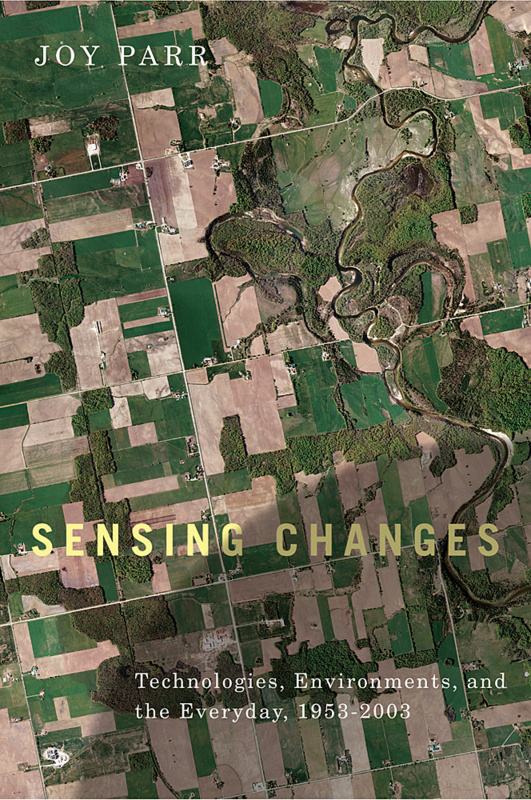
With our next theme of Sensing the City, we’re hoping to have fun exploring how people in Edmonton / amiskwaciwâskahikan have experienced the world around them. Inspired by the late Joy Parr’s work Sensing Changes, we want to connect Edmontonians with heritage through their senses. Using exhibits, stories, trivia nights, and walking tours, we hope to explore questions like: How did Edmontonians experience the city in the past? Which Edmontonians have helped people get a better sense of their surroundings? How do different abilities and disabilities shape Edmontonians’ experience of living in the city? How can our senses help us understand Edmonton’s heritage?
One thing that drew me to this theme was the opportunity to centre more stories and exhibits around Edmontonians with disabilities. There are always more stories to tell about moments of deaf joy, how folks with and without sight experience the city, human rights advocates, or accessible spaces. And there are rich opportunities for us to make more accessible programming. As a historian, I’m also noticing present-day echoes of past discrimination in our province. I think ECAMP can play a positive role in making more space for folks with disabilities to share their stories, and to help all of us build empathy with our neighbours.
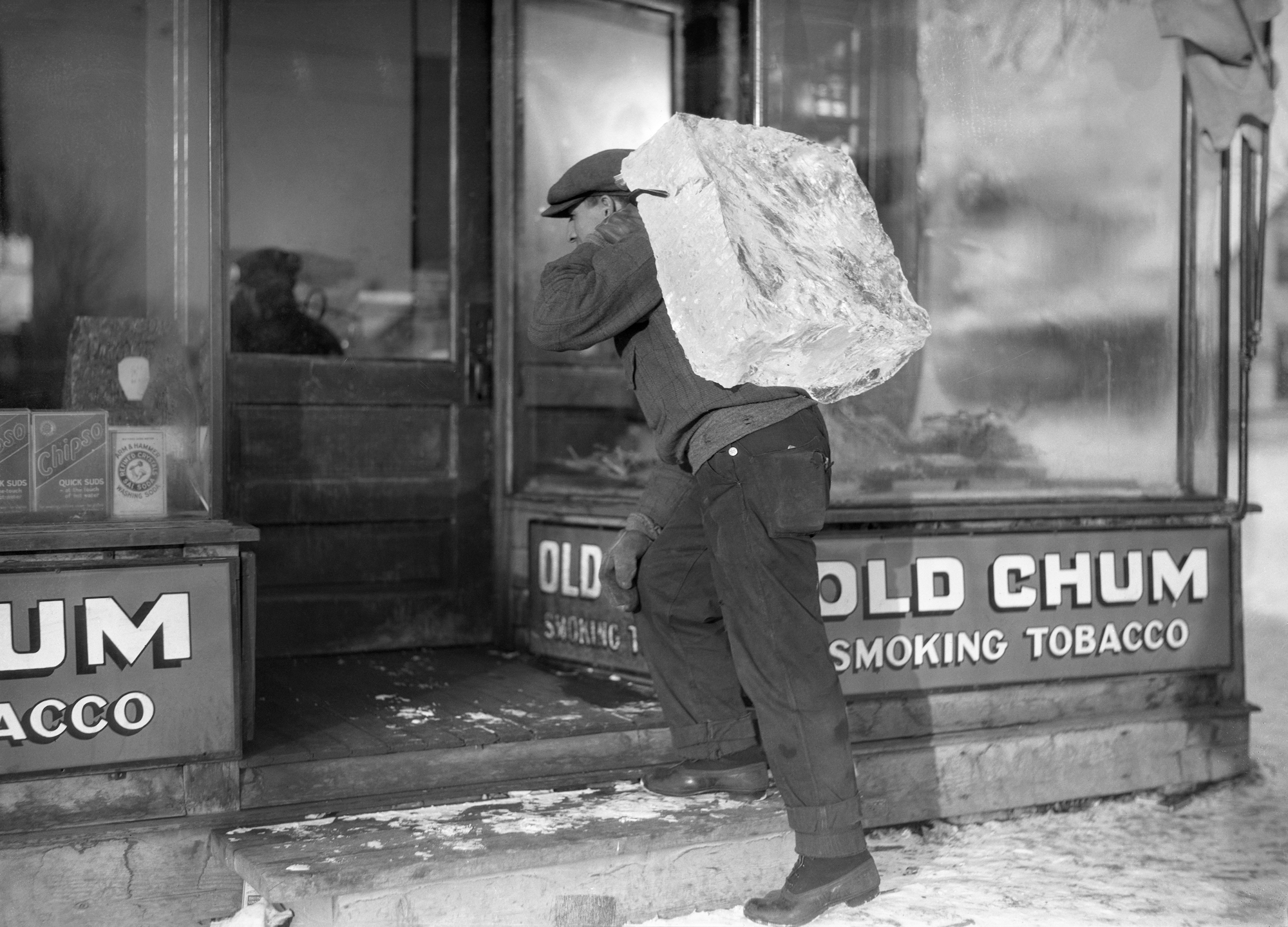
Beyond that, I’m excited to learn more about our city, possibly in strange and unusual ways. If you made a scratch and sniff sticker of Jasper Ave in the 1910s, what would it smell like? Does the taste of truck stop coffee or canned mushrooms immediately throw you back into a memory? Is there a way to feel how much colder winters used to be here, or what it was like to deliver giant bricks of ice? When our ancestors walked through the Rat Creek ravine, what birdsong would they have heard, and what kind of tree bark would they have run their fingers along?
Soon we’ll be searching for community members with disabilities who want to share their stories, objects, or curiosity by making Momentary Museum exhibits with us. We’re also hiring a historical researcher to work on that project (apply by February 9 – full details here). And sign up for the Edmonton Heritage Council newsletter to learn about an upcoming call for our newly imagined story series.
If all this is lighting up your brain with ideas, give us a shout at ecamp@edmontonheritage.ca.
-Chris Chang-Yen Phillips, ECAMP Coordinator