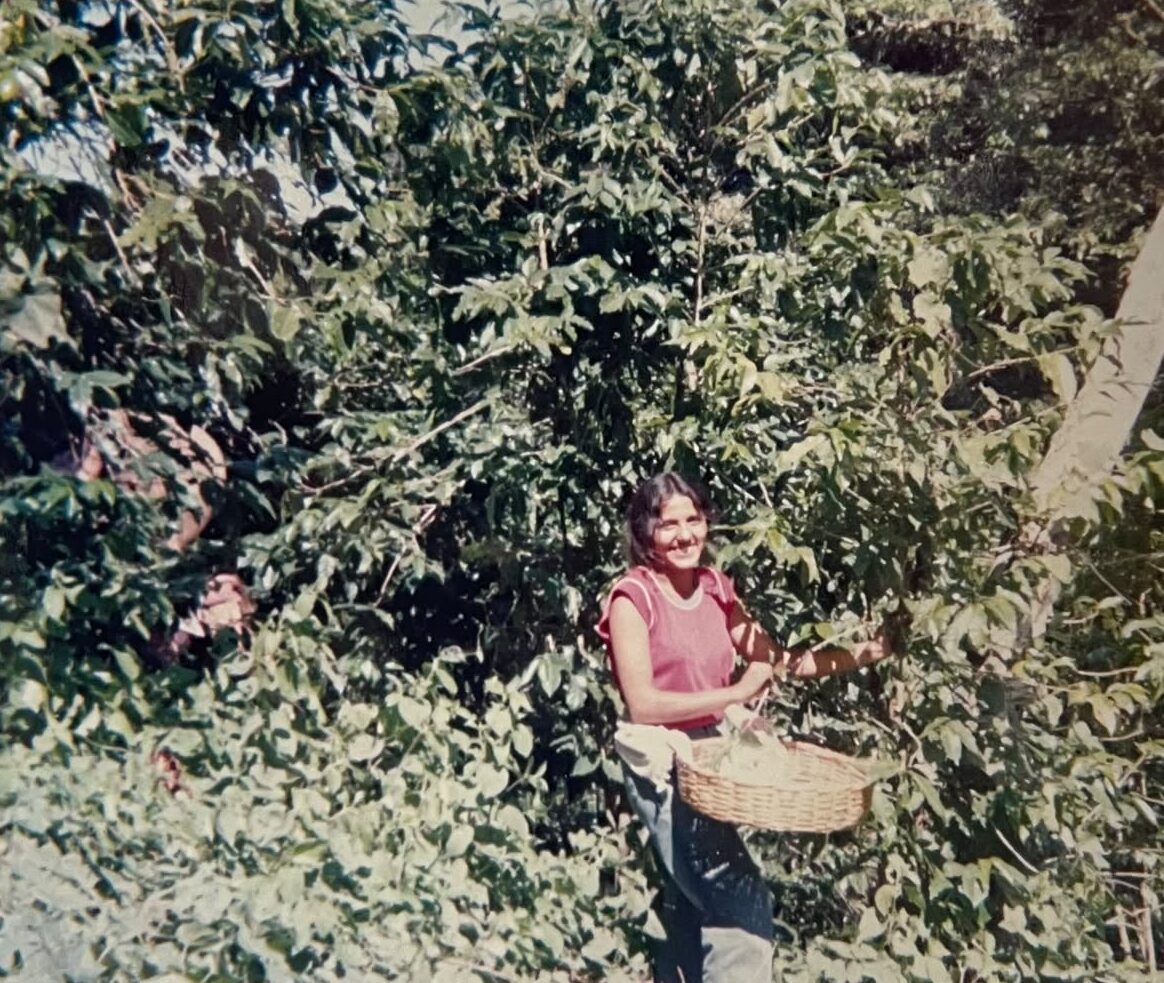
As we go about our daily lives, driving the kids to school or walking the dog, we often forget that the places we know were once very different than they are now. When the sidewalks are strewn with an autumn rainbow of leaves, golden and russet and red, we might not think of who set that seedling in the ground so our child may frolic so joyfully. Our neighbourhoods are more than just roads, schools, churches and coffee shops, for our homes stand on a solid foundation of the lives of others who lived before us. The places we know remember them all, the ground we walk on carries the toil and heroics of those that survived the frigid winters and laboured each spring to bring forth the abundance the land is so willing to share. In turn, the places we know are transformed by us, just as we are shaped by them.
In 1870, the entire population of what would become Alberta was a mere 8,000 individuals, 6,000 of which were Indigenous people of various tribes scattered throughout the western prairie lands. The Census of Edmonton and Neighbourhood in April of 1874 recorded at total of 93 ‘halfbreed’ men, women and children living in the area of Fort Edmonton. The remaining 43 ‘white’ citizens included 2 women and 4 children. This is not particularly remarkable for the era, as most communities were derived from fur trading forts in which relationships with Indigenous peoples were vital to both commerce and safety. As commonplace as it was for European bred men to marry women who carried Indigenous bloodlines, their children were still recorded as non-white citizens. Accounted for were some of modern-day Edmonton’s neighbourhood and byway namesakes such as Rowland and Hardisty. The infamous and twisting Groat Road, named after Scotsman Malcolm Groat, can boast of its Indigenous foundations as Mrs Groat and their three children are marked in the document as halfbreeds. Other families included the Laroques, Berards, Birds, Whitfords, McDonalds and Frazers; all (in varying degrees) were natives of this land, their kinsfolk thriving through time, no matter the hardship they adapted and continued their legacy. In a total recorded population of 136, 14 men, 23 women and 56 children were noted as having Indigenous roots. Throughout these documents, the names of both Indigenous and half-breed families easily outnumber those of the European ancestry. As the land allowed, nations of the Old and New World were represented in the citizenry of the growing metropolis from it’s inception; together the Dene, Cree, Stoney, Blackfoot, French, English, Scottish and Irish built this city of champions.